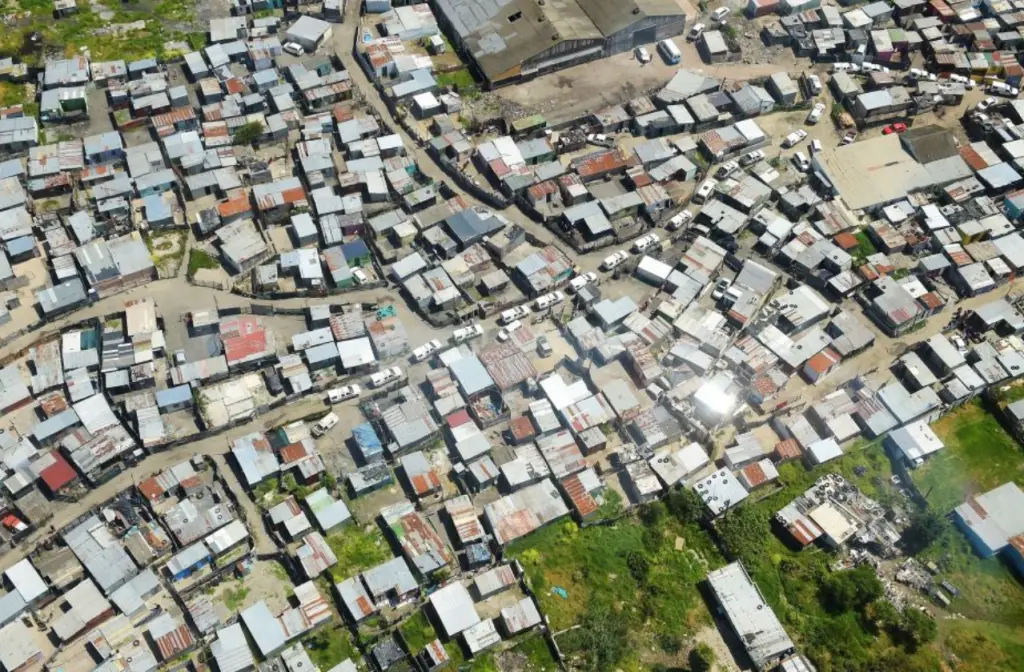
Child and Family Welfare – Muldersdrift, forms an integral part of Bethany House’s broader statutory child protection and community-based social welfare services. Established to address the complex social challenges experienced by vulnerable children, families and communities, the program operates across more than 20 informal settlements in the greater Mogale City area. These communities frequently experience significant socioeconomic challenges, including poverty, unemployment, inadequate housing, limited access to essential services, family instability and heightened exposure to abuse, neglect and abandonment. Through its community-based service delivery model, the programme provides accessible social welfare services to populations that often face substantial barriers to formal welfare and child protection systems. Its approach combines statutory intervention, family support, prevention services and community development, working in collaboration with government departments, schools, healthcare providers, community structures and other social welfare organisations.
The programme delivers a comprehensive range of statutory and non-statutory welfare services in accordance with the Children’s Act and other applicable social welfare legislation. Core interventions include the identification and assessment of children at risk, child protection investigations, statutory reporting, children’s court proceedings, alternative care placements, foster care supervision, family reunification and permanency planning. Professional social workers provide case management, counselling, family preservation services, parenting support and referral to specialised services, while facilitating access to social assistance and other essential resources. Beyond statutory child protection, the programme addresses broader family and community vulnerabilities, including substance abuse, domestic violence, the needs of vulnerable older persons and families experiencing severe socioeconomic hardship. Community development initiatives focus on prevention, early intervention, strengthening family functioning and improving access to available support systems, with particular emphasis on building local capacity and reducing long-term dependence on crisis-driven welfare intervention.
The programme’s impact extends beyond individual statutory cases, contributing to the strengthening of families, community resilience and the broader child protection system across the child protection system across the Muldersdrift informal settlements. Through early identification, professional assessment and appropriate intervention, Child and Family Welfare – Muldersdrift seeks to prevent further abuse and neglect, reduce unnecessary family separation and ensure that children requiring alternative care receive timely statutory protection. Family preservation and reunification services support the restoration of safe family environments where appropriate, while ongoing supervision and case management promote continuity of care for children placed in alternative care. Its community-based presence enables social workers to identify emerging vulnerabilities, coordinate responses across service providers and connect disadvantaged households with essential welfare resources. By integrating statutory responsibilities with preventative social work, family strengthening and community development, the programme contributes to improved child protection outcomes, more effective local support networks and opportunities for sustainable social development. Its enduring contribution lies in extending professional social welfare services into underserved communities, protecting vulnerable individuals and strengthening the capacity of families and communities to respond to social challenges.