Established in 1999, Bethany House Child and Youth Care Campus has developed into a comprehensive residential child protection facility, serving vulnerable children and young people for almost three decades. From its beginning as a place of safety, the campus has progressively expanded its infrastructure, professional capacity and range of services to respond to the changing needs of children requiring statutory alternative care. Over the years, Bethany House has become an established component of the provincial and regional child protection system, working alongside statutory authorities, social welfare organisations and community partners.
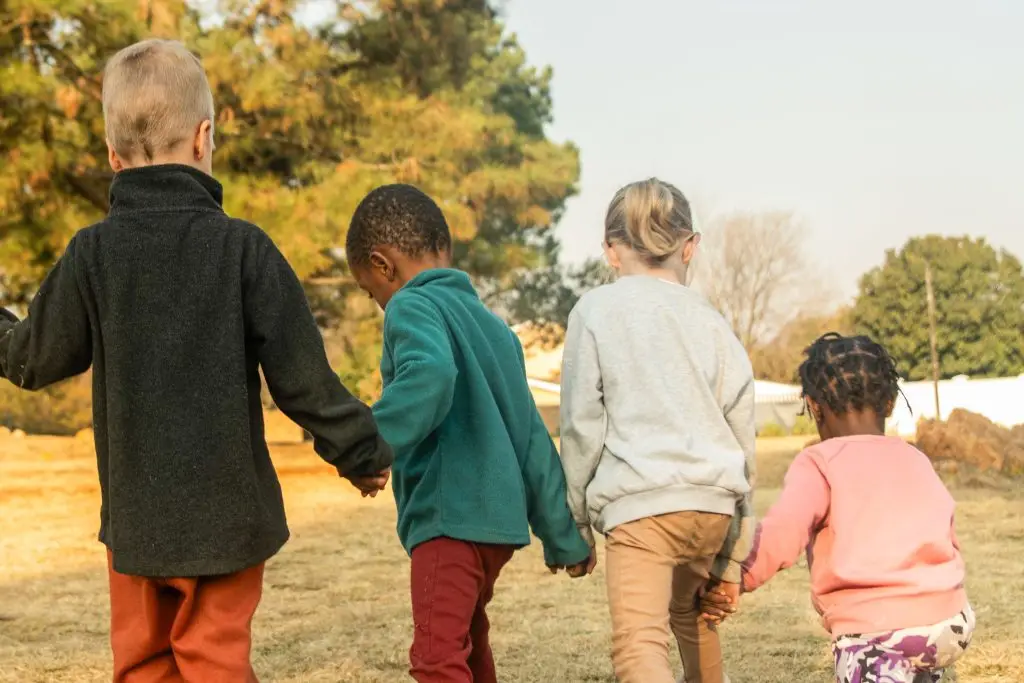
Operating from a cluster of residential homes and supporting facilities, the CYCC accommodates 80 children and young people from birth to 21 years of age. Its multi-disciplinary approach integrates 24-hour residential care, nutrition, primary healthcare, education, therapeutic interventions, psychosocial support and individualised development plans. Services are delivered within a structured, child-friendly environment by qualified social workers, child and youth care workers and allied professionals, in accordance with applicable child protection legislation and regulatory standards.
Bethany House CYCC’s impact extends well beyond the provision of residential accommodation. Through sustained intersectional intervention, Bethany House addresses the developmental, educational, emotional, and social consequences of childhood adversity, helping children regain stability, maintain educational progress and develop essential life skills. The services support family reunification and reintegration where appropriate, while providing longer-term alternative care for children unable to return to their families. For older adolescents and young adults, the emphasis increasingly shifts toward educational attainment, vocational readiness, independent living, and successful transition into adulthood. Through these interventions, the CYCC contributes to reducing lifelong vulnerability, strengthening child protection outcomes and improving opportunities for long-term social and economic participation. Its contribution is reflected not only in the children accommodated, but also in the families supported, the development opportunities created and the continuity of care provided to successive generations of vulnerable children.